Why a Chipped Tooth Isn’t Just a Cosmetic Issue
You bit down on something hard, heard a small crack, and now you have a chip in your tooth. It’s tempting to brush it off—after all, it’s just a small chip, right? But here’s the thing: a chipped tooth is actually an open invitation for trouble, and ignoring it can lead to much bigger problems down the road. At CodyTest in Minneapolis, we see patients regularly who waited too long to address a chip, only to face more extensive (and expensive) treatment later.
A chipped tooth isn’t merely a cosmetic concern. That damaged edge exposes the inner layers of your tooth and creates an entry point for bacteria, decay, and further structural damage. The sooner you address it, the simpler and less invasive your treatment options will be.
How a Chipped Tooth Invites Decay and Fractures
When your tooth’s protective outer layer—the enamel—is compromised by a chip, the exposed dentin underneath becomes vulnerable. Dentin is softer than enamel and is directly connected to the tooth’s nerve. Bacteria can colonize this damaged area, leading to cavities that spread faster than they would on an intact tooth surface.
According to the American Dental Association (ADA), tooth decay remains one of the most common chronic conditions in both children and adults, and a structural defect like a chip dramatically increases decay risk in that specific area.
Beyond decay, a chipped tooth is also structurally weakened. What starts as a small chip can progress:
- Hairline fractures can develop along the damaged edge, extending deeper into the tooth.
- Larger breaks may occur if you continue to bite or chew on that side of your mouth.
- Nerve exposure can happen if the fracture reaches the pulp, requiring root canal treatment.
In other words, a chip today could become a root canal tomorrow if left untreated.
The Domino Effect of Ignoring Tooth Damage
When you have a chipped tooth, you naturally start favoring the other side of your mouth when you chew. This puts extra pressure on your healthy teeth and can lead to wear and sensitivity in those teeth. You may also unconsciously clench your jaw or grind your teeth at night due to the discomfort, which accelerates damage across your entire mouth. What began as one small chip can eventually compromise multiple teeth.
Treatment Options: Bonding and Crowns
The good news is that modern dentistry offers several effective ways to repair a chipped tooth. The best option depends on the size and location of the chip, as well as how much of the tooth structure remains intact.
Dental Bonding
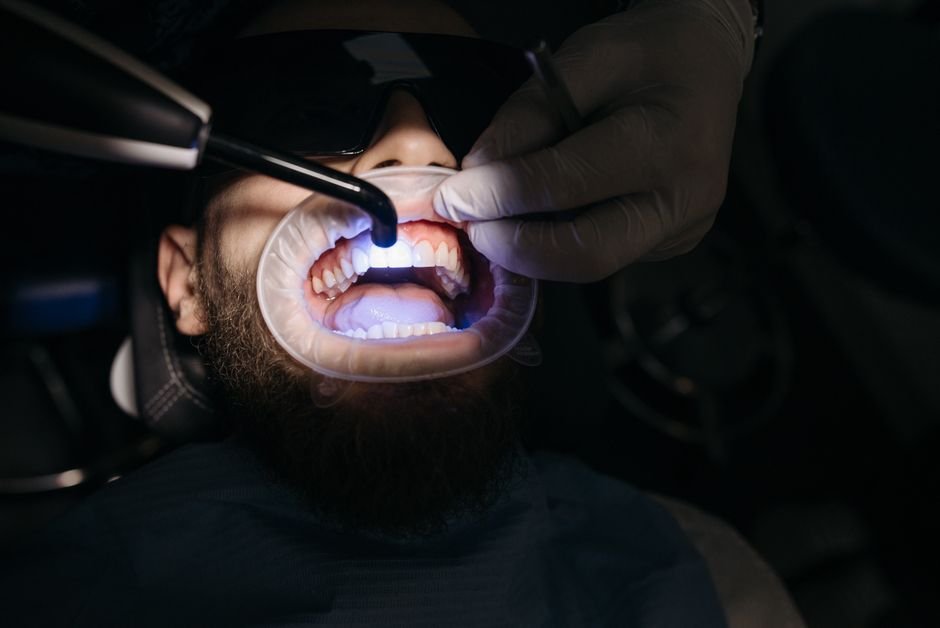
For small to moderate chips, dental bonding is often the first choice. This procedure involves applying a tooth-colored composite resin directly to the damaged area. The resin is carefully shaped to match your natural tooth contour and then hardened with a special light.
Bonding is:
- Quick—usually completed in one appointment.
- Conservative—it requires minimal removal of healthy tooth structure.
- Affordable and non-invasive compared to other restorative options.
- Highly aesthetic—the composite can be matched precisely to your tooth color.
At CodyTest in Minneapolis, our doctors can assess whether your chip is a good candidate for bonding and discuss what to expect during and after the procedure.
Dental Crowns
For larger chips—or if the damage affects more than about one-third of the tooth’s surface—a dental crown may be the better solution. A crown is a custom-made covering that fits over the entire tooth, restoring its shape, strength, and appearance.
Crowns are particularly beneficial when:
- The chip is large or extends below the gum line.
- The tooth has a history of decay or previous fillings.
- The chip affects a back molar that bears significant chewing force.
- You want a restoration that will last many years with proper care.
While a crown requires more preparation than bonding, it provides superior durability and longevity. The process typically involves two appointments: one to prepare the tooth and take impressions, and a second to place the finished crown.
When Is a Chipped Tooth Urgent?
Not every chipped tooth requires emergency treatment, but certain situations warrant prompt attention—ideally within a few days.
Seek Care Soon If:
- The chip is sharp and cutting your tongue or cheek. This causes discomfort and increases infection risk.
- You’re experiencing pain or sensitivity. This suggests the chip may have reached the nerve or created a cavity.
- The chip is on a front tooth. Beyond the decay risk, a visible chip affects your smile and confidence, and prompt bonding can restore it quickly.
- A large piece of the tooth is missing. This requires more extensive treatment and should be addressed sooner rather than later.
- You notice the chip is getting larger. This indicates progressive fracturing and warrants immediate evaluation.
True Dental Emergencies
If your chipped tooth is accompanied by severe pain, swelling, or signs of infection (fever, abscess), contact your dentist right away or seek emergency care. A tooth abscess is a serious condition that requires prompt treatment to prevent the infection from spreading.
Prevention: Your Best Defense
While accidents happen, you can reduce your risk of chipping a tooth by:
- Avoiding chewing on hard objects (ice, hard candy, pen caps, or popcorn kernels).
- Wearing a mouthguard during sports.
- Being cautious with your teeth during eating—take smaller bites and chew slowly.
- Maintaining strong enamel through fluoride use and limiting acidic foods and drinks.
- Keeping up with regular dental checkups to catch early signs of wear or weak spots.
A 2022 analysis published by the CDC noted that preventive dental care—including regular visits and risk assessments—significantly reduces the incidence of tooth damage and decay across all age groups.
Your Next Step
If you’ve chipped a tooth, don’t let it sit and hope it goes away. The longer you wait, the higher the risk of complications and the more complex your eventual treatment may become. A quick evaluation from the doctors at CodyTest in Minneapolis can determine exactly what’s needed and get you back to a healthy, confident smile.
Call us today at 8328357556 or schedule your appointment online. We’re here to help you address your chipped tooth with personalized, caring treatment—because your smile matters to us.
This article is for informational purposes only and is not a substitute for professional dental advice, diagnosis, or treatment. Always consult your dentist or qualified healthcare provider with questions about a medical condition.