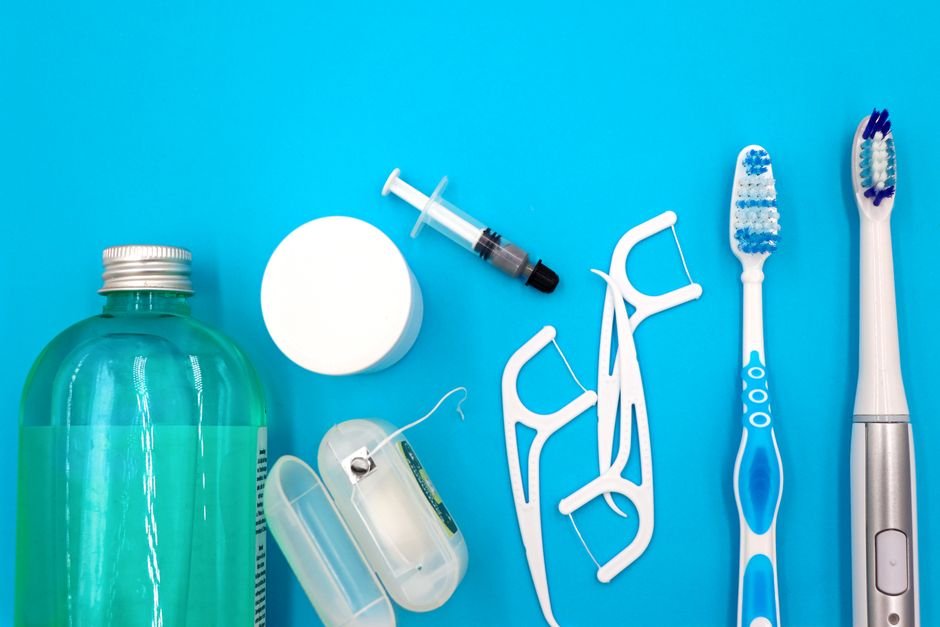
Mouthwash: Helpful Habit or Marketing Hype?
Walk down the oral care aisle at any drugstore, and you’ll find shelves lined with colorful mouthwash bottles, each promising fresher breath, whiter teeth, or healthier gums. But here’s the question many of our patients at CodyTest in Minneapolis ask us: Is mouthwash actually doing anything, or is it just minty-fresh marketing? The answer, like most things in dentistry, is nuanced. The truth is that mouthwash can be genuinely helpful—but only if you’re using the right kind for your specific needs.
Let’s separate fact from fiction and help you understand whether that bottle sitting on your bathroom sink is a worthwhile addition to your oral hygiene routine.
The Two Types of Mouthwash: Know the Difference
Not all mouthwash is created equal. In fact, there are two distinct categories, and understanding the difference is key to making an informed choice.
Cosmetic Rinses: The Marketing Stars
Most mouthwash you see advertised on television falls into the cosmetic category. These rinses are primarily designed to temporarily mask bad breath and leave your mouth feeling fresh and tingly. They contain ingredients like essential oils, flavoring agents, and surfactants that create that pleasant sensation—but they don’t actually treat any underlying dental problems.
Cosmetic rinses may briefly reduce odor-causing bacteria, but the effect is temporary. They are not considered therapeutic and do not provide long-term oral health benefits. If you enjoy using them for the fresh feeling and minty taste, that’s perfectly fine—just don’t expect them to prevent cavities or gum disease.
Therapeutic Rinses: The Heavy Lifters
Therapeutic mouthwashes, by contrast, contain active ingredients that actually work to improve oral health. These are the ones that can make a real difference in your dental routine. According to the American Dental Association (ADA), therapeutic rinses are formulated with ingredients designed to reduce plaque, fight gingivitis, prevent cavities, or address specific oral conditions.
The most common active ingredients you’ll find in therapeutic rinses include:
- Fluoride – strengthens enamel and helps prevent cavities
- Chlorhexidine – a prescription-strength antibacterial agent for serious gum disease
- Essential oils – some formulations use antimicrobial plant compounds
- Cetylpyridinium chloride (CPC) – helps reduce plaque and gingivitis
When Mouthwash Actually Makes a Difference
Research shows that therapeutic mouthwash can be genuinely beneficial when used appropriately. A clinical review published in the Journal of Periodontology found that therapeutic rinses containing chlorhexidine or essential oils significantly reduced plaque accumulation and gingivitis in patients with moderate to severe gum disease. However—and this is important—mouthwash should never be viewed as a replacement for brushing and flossing.
Mouthwash is most helpful for:
- Patients with active gum disease who need extra antimicrobial support
- People with difficulty using traditional floss due to mobility issues or orthodontic appliances
- Those recovering from oral surgery, as recommended by their dentist
- Individuals with high cavity risk who benefit from fluoride rinses
If you’re unsure whether a therapeutic rinse would benefit your specific situation, the doctors at CodyTest in Minneapolis can assess your individual needs during your next visit.
The Alcohol Question: Why Alcohol-Free Matters
If you’ve been browsing mouthwash options, you’ve probably noticed labels touting “alcohol-free” formulations. So what’s the deal with alcohol in mouthwash?
Alcohol has historically been used in mouthwash as a preservative and to provide that intense “burning” sensation some people associate with effectiveness. However, there are legitimate reasons to choose alcohol-free alternatives:
- Reduced irritation – alcohol can dry out oral tissues and cause discomfort, especially for people with sensitive mouths or dry mouth conditions
- No unpleasant taste – alcohol leaves a harsh aftertaste that many people dislike
- Safer for children – alcohol-free rinses eliminate concerns about accidental ingestion
- Better for certain conditions – patients with oral sores or severe gum disease may find alcohol-free formulas gentler
The good news? According to the CDC’s oral health resources, alcohol-free therapeutic rinses are just as effective as their alcohol-containing counterparts when they contain the same active ingredients. You don’t sacrifice efficacy for comfort.
Understanding Chlorhexidine: When Your Dentist Prescribes It
You may have heard of chlorhexidine or seen it recommended by dental professionals. This is a powerful antimicrobial agent that’s considered the gold standard for fighting certain oral infections and severe gum disease.
Chlorhexidine is not available over-the-counter—your dentist must prescribe it. This is intentional. While highly effective, chlorhexidine can cause side effects with prolonged use, including tooth staining and changes to taste perception. That’s why it’s typically prescribed for short-term use—usually two to four weeks—to address specific problems like:
- Severe gingivitis or periodontitis
- Post-surgical infection prevention
- Oral infections in immunocompromised patients
If the doctors at CodyTest determine that chlorhexidine would benefit your situation, they’ll provide clear instructions on how to use it safely and for how long. It’s a tool that works best when professionally guided.
The Bottom Line: Habit with Purpose
So is mouthwash helpful habit or marketing hype? The answer is: it depends on which mouthwash you’re using and why.
If you’re using a cosmetic rinse solely because you like the fresh feeling, that’s fine—it won’t hurt, and if it encourages better oral hygiene habits overall, that’s a win. But if you’re hoping it will prevent cavities or treat gum disease, you need a therapeutic rinse with proven active ingredients.
The most important thing to remember is that no mouthwash—therapeutic or otherwise—can compensate for poor brushing and flossing habits. Mouthwash is best used as a supplement to a solid oral hygiene routine that includes twice-daily brushing with fluoride toothpaste and daily flossing or interdental cleaning.
Every mouth is different, and what works beautifully for one person might not be ideal for another. If you’re uncertain about whether a particular mouthwash is right for you, or if you’re dealing with gum disease or other oral health concerns, we’d love to help you find the right solution.
The team at CodyTest in Minneapolis is here to answer your questions and recommend products tailored to your individual needs. Whether you need guidance on choosing a therapeutic rinse or a comprehensive evaluation of your oral health, we’re just a phone call or click away. Give us a call at 8328357556 or schedule your appointment online today. Let’s work together to keep your smile healthy and bright!
This article is for informational purposes only and is not a substitute for professional dental advice, diagnosis, or treatment. Always consult your dentist or qualified healthcare provider with questions about a medical condition.